
· AmchePayn · Costa Rica · 5 min read
La Paz Waterfall Gardens
Five waterfalls, a cloud-forest canyon and a wildlife sanctuary on the slopes of Poás.
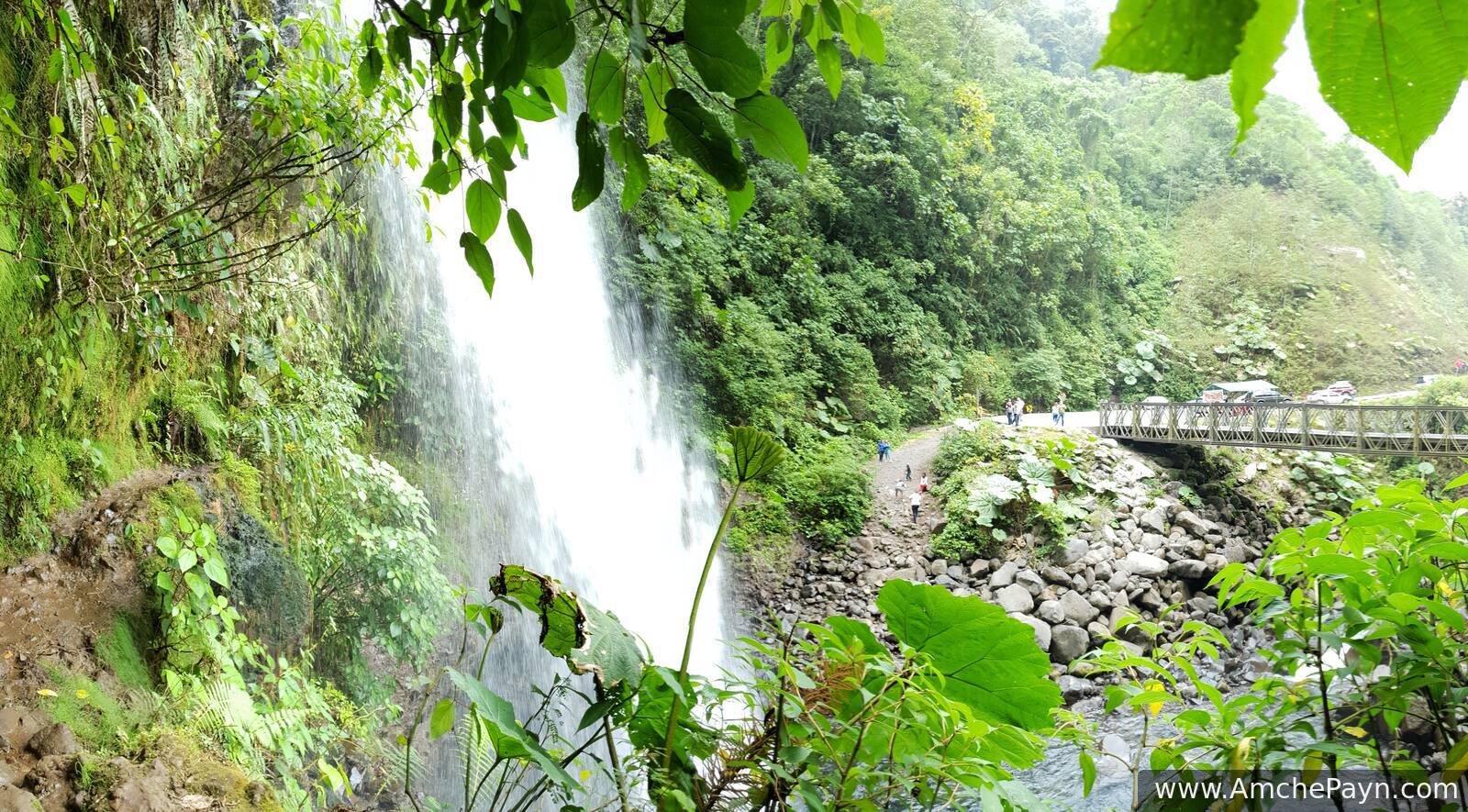
We’ve been to La Paz twice, first in October 2017 and again in April 2018. Why go back? To see what the seasons do to the place: how much water comes thundering down the falls, what colour it is, and even which butterflies are out.
La Paz Waterfall Gardens is one of those places that feels like a full Costa Rica sampler plate. Waterfalls? Yes. Cloud forest? Yes. Toucans, hummingbirds, sloths, big cats, and misty mountain air? Also yes. It’s not the wildest experience in the country, but it is wonderfully accessible and packed with things to see.
About La Paz
La Paz Waterfall Gardens is in Vara Blanca, Alajuela, on the eastern slopes of Poás Volcano. It’s about 45 minutes from San José airport and 20 minutes from Poás Volcano National Park. The park covers 70 acres (28 hectares), about 40 of them forest, and the trails drop from roughly 5,200 ft to 4,200 ft through mixed cloud forest and rainforest.
It opened in the fall of 2000, after two years of building trails and viewing platforms. Since then it has grown to include a butterfly observatory, a serpentarium, a frog house, a trout lake and the Peace Lodge hotel. Today it employs over 130 people, about 90% of them from nearby towns.
The five waterfalls
The waterfall trail is the highlight: 3.5 km (2.2 miles) of paved paths, steps and hand rails following the La Paz River down a steep canyon. You mostly go down the stairs, so most ages can manage it.
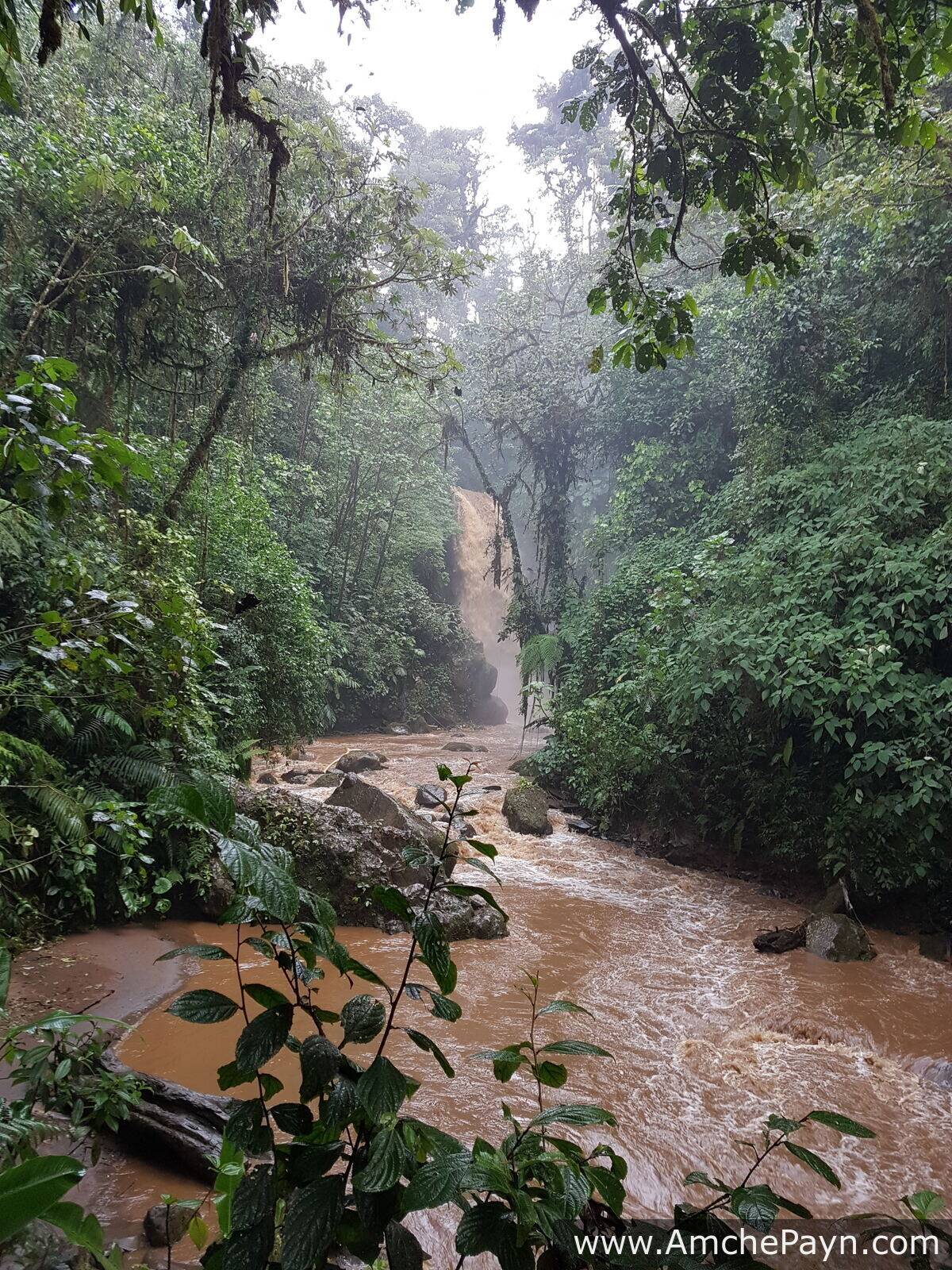 The La Paz River running brown in October, with one of the falls up the canyon
The five falls are:
- Templo: 26 m (85 ft)
- Encantada: 20 m (65 ft)
- Magia Blanca: 37 m (120 ft), the tallest
- Escondida: 5 m (15 ft), the little hidden one
- La Paz: 34 m (110 ft), the one everyone stops for on the road to Arenal
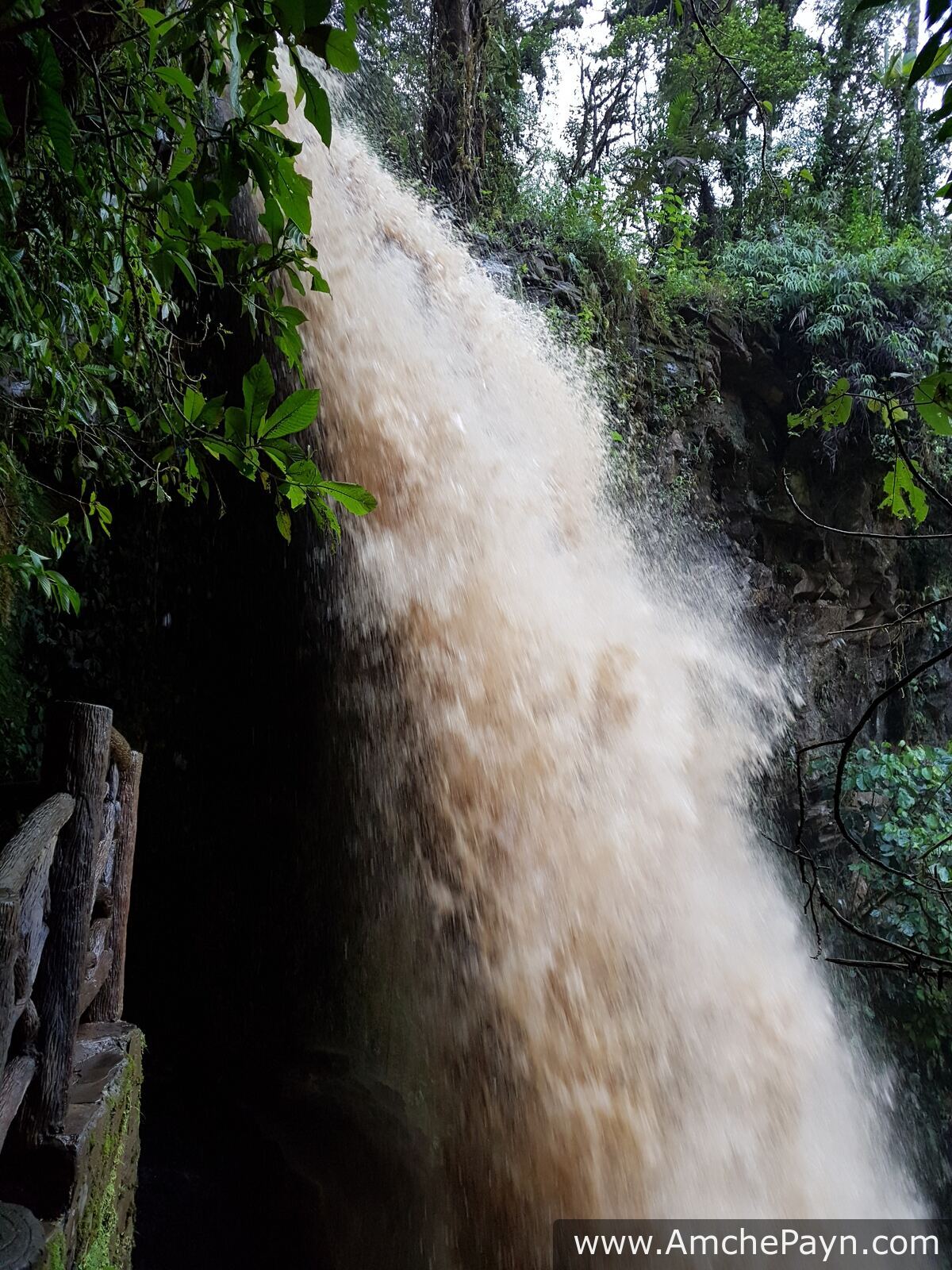 Up close with one of the falls on the trail. After the October rain the water was the colour of milky coffee
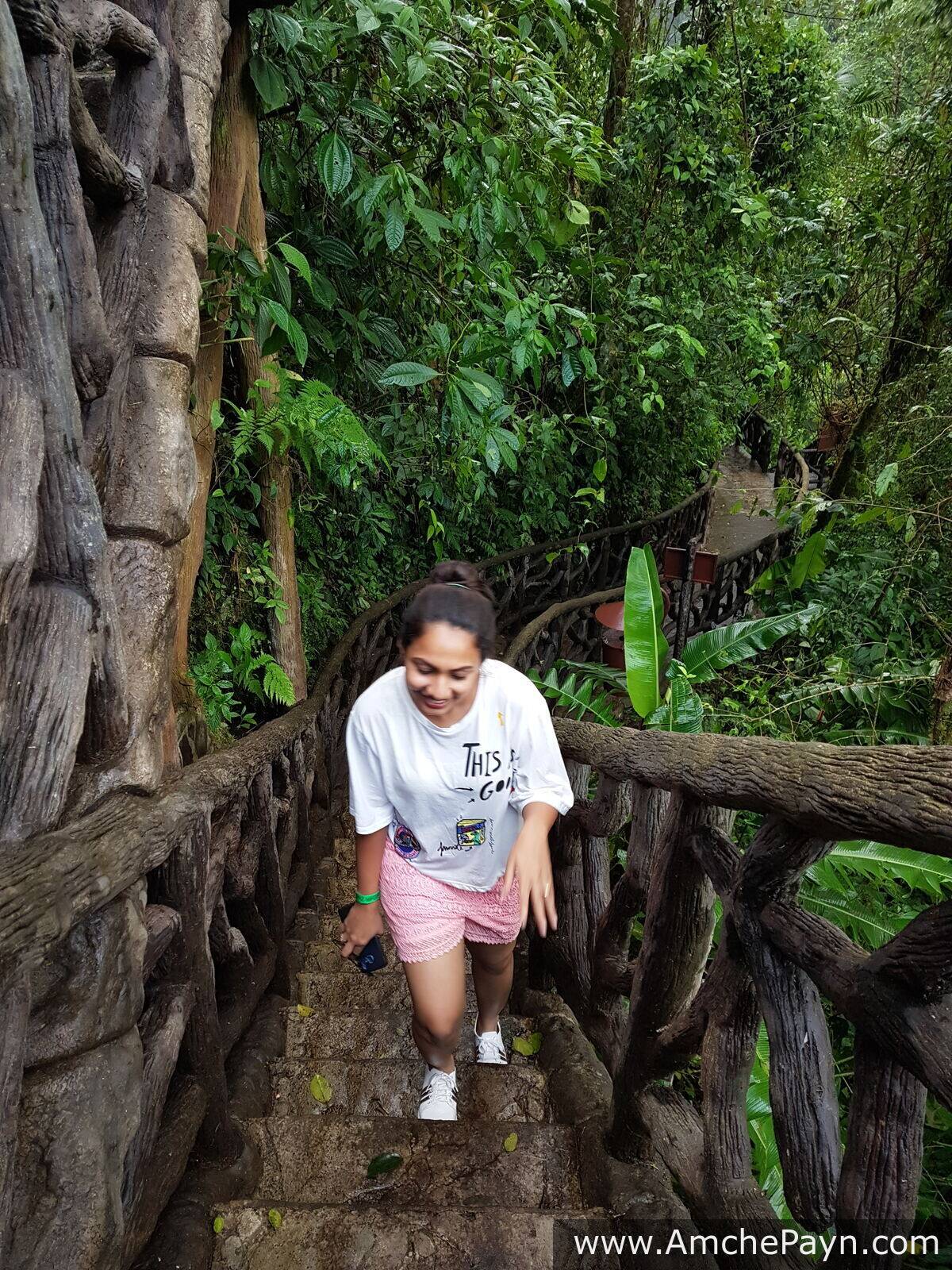 The canyon stairs: wet, mossy and steep in places, so take the hand rail
Tip: The spray near the falls is real. Keep your phone or camera in a dry bag between shots.
Wildlife sanctuary
This is the part that makes La Paz different from a plain waterfall hike. The park calls itself the largest animal sanctuary in Costa Rica, with over 100 species. Many of the animals came via Costa Rica’s environment ministry (MINAET). Most were kept illegally as pets and can’t be released back into the wild.
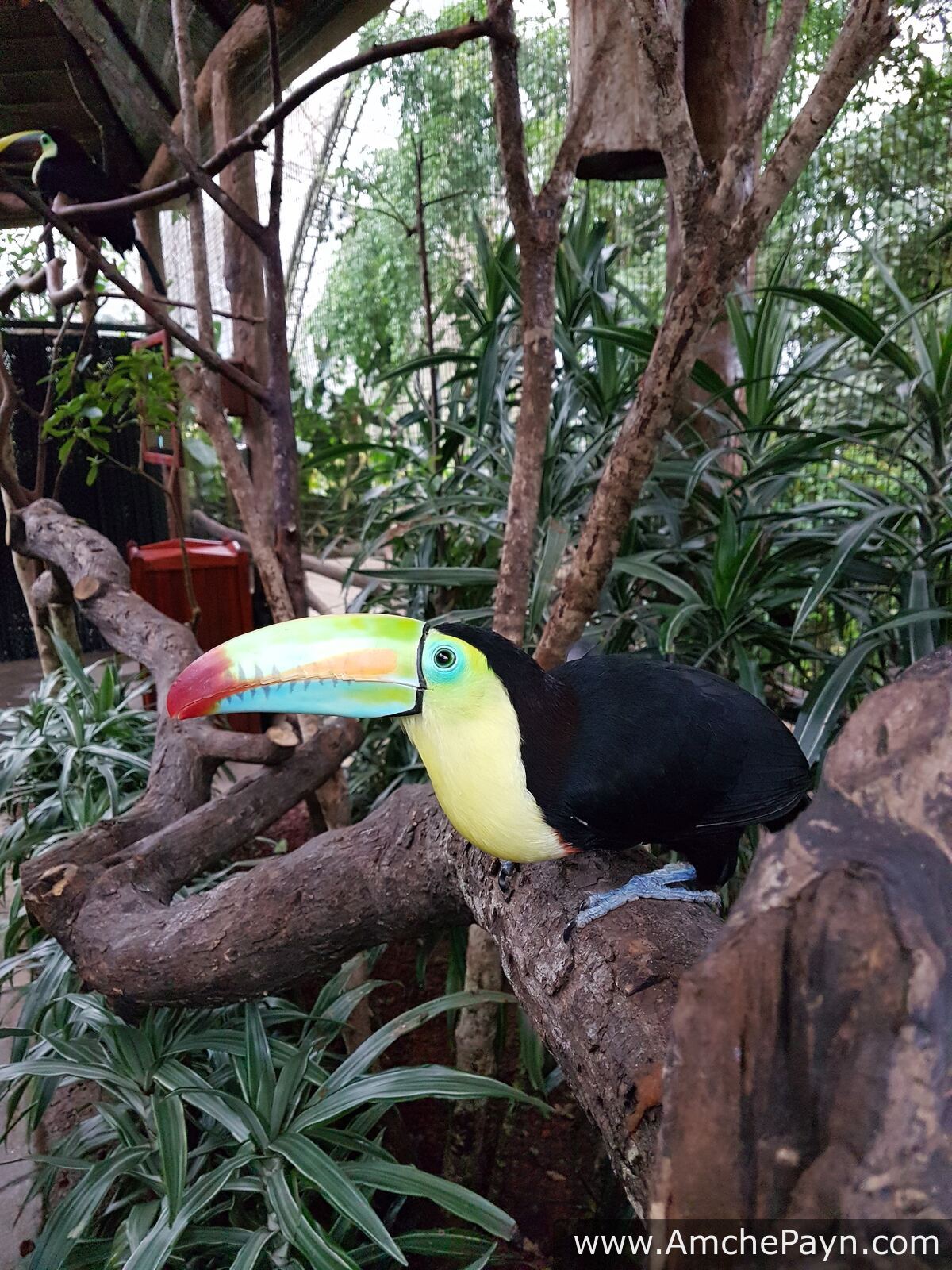 A keel-billed toucan in the aviary, showing off that beak
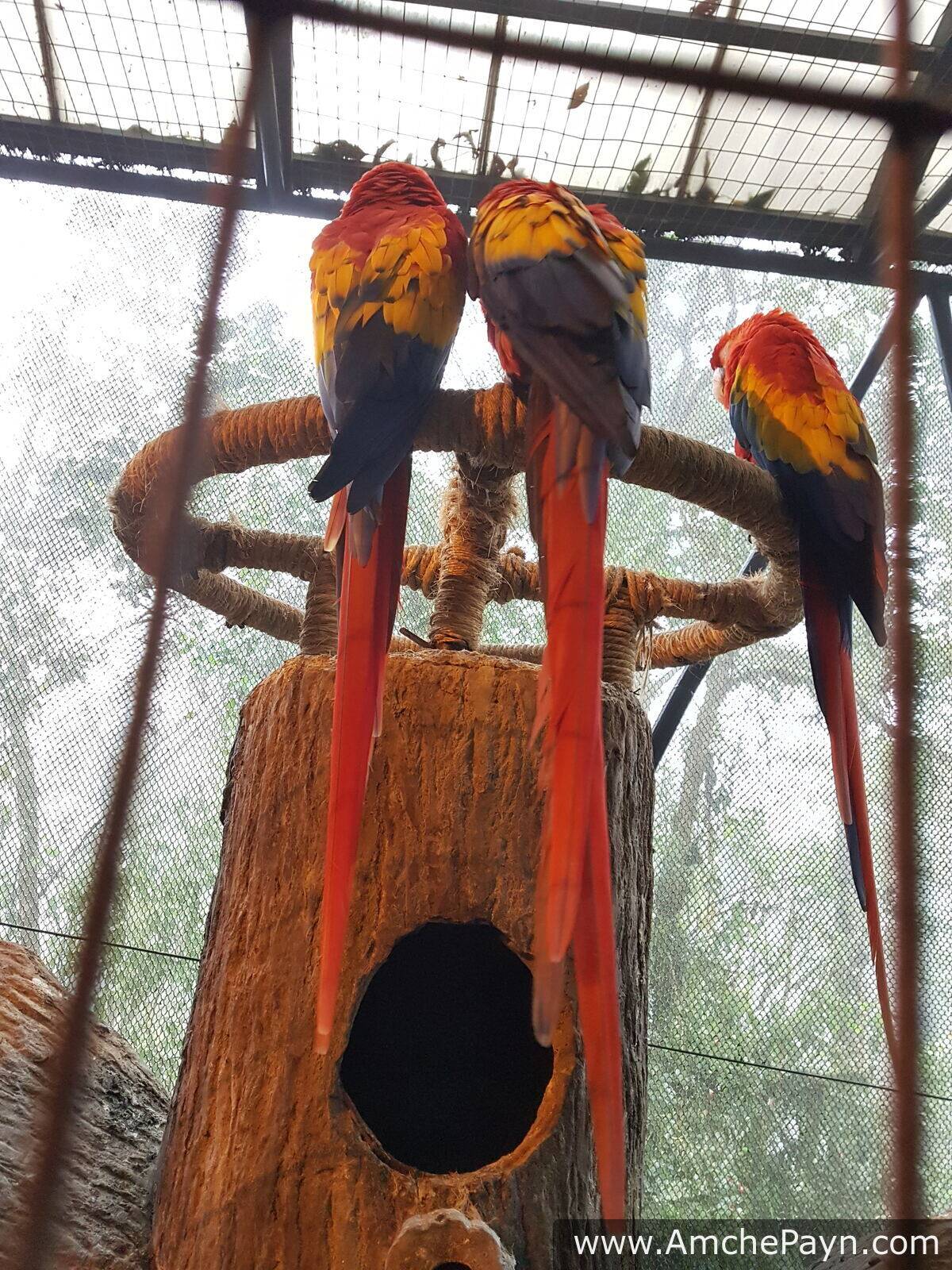 Three scarlet macaws sharing one perch
Along the way you’ll pass:
- An enclosed butterfly observatory
- A hummingbird garden with 26 documented species
- An aviary with toucans, scarlet macaws and aracaris
- Jungle cats: jaguars, pumas, ocelots and margays
- Monkeys: white-faced capuchins and black-handed spider monkeys
- Sloths, a serpentarium, and a ranarium full of frogs
- La Casita, a historical house museum with an ox cart and petting zoo
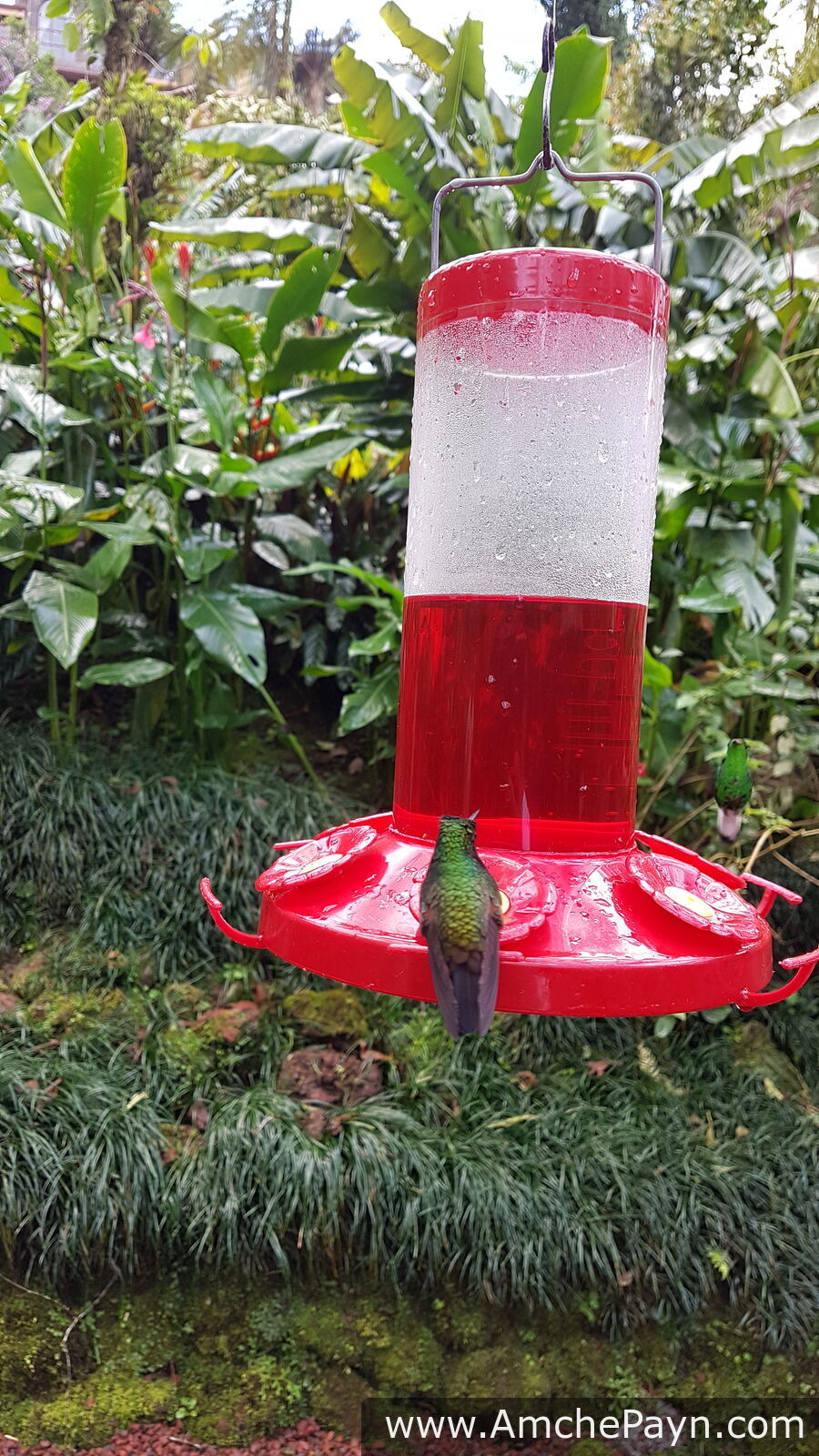 A hummingbird stopping for a drink in the hummingbird garden
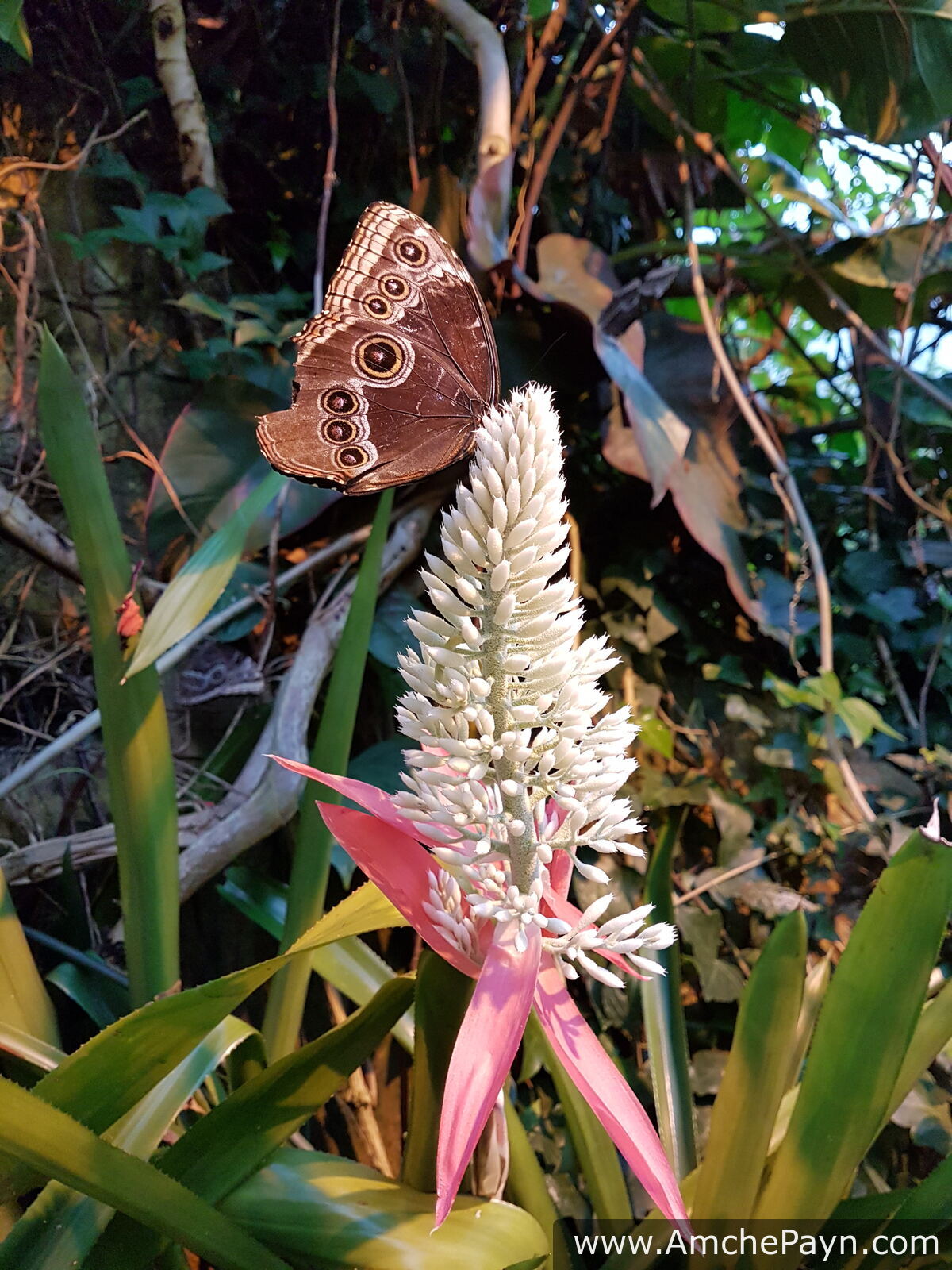 An owl butterfly on a bromeliad in the butterfly observatory
Note: This is a sanctuary, not the wild. If you want to spot animals freely, pair it with a national park visit. For families, first-timers, or anyone short on time, it’s a great close-up look at species that are hard to see well.
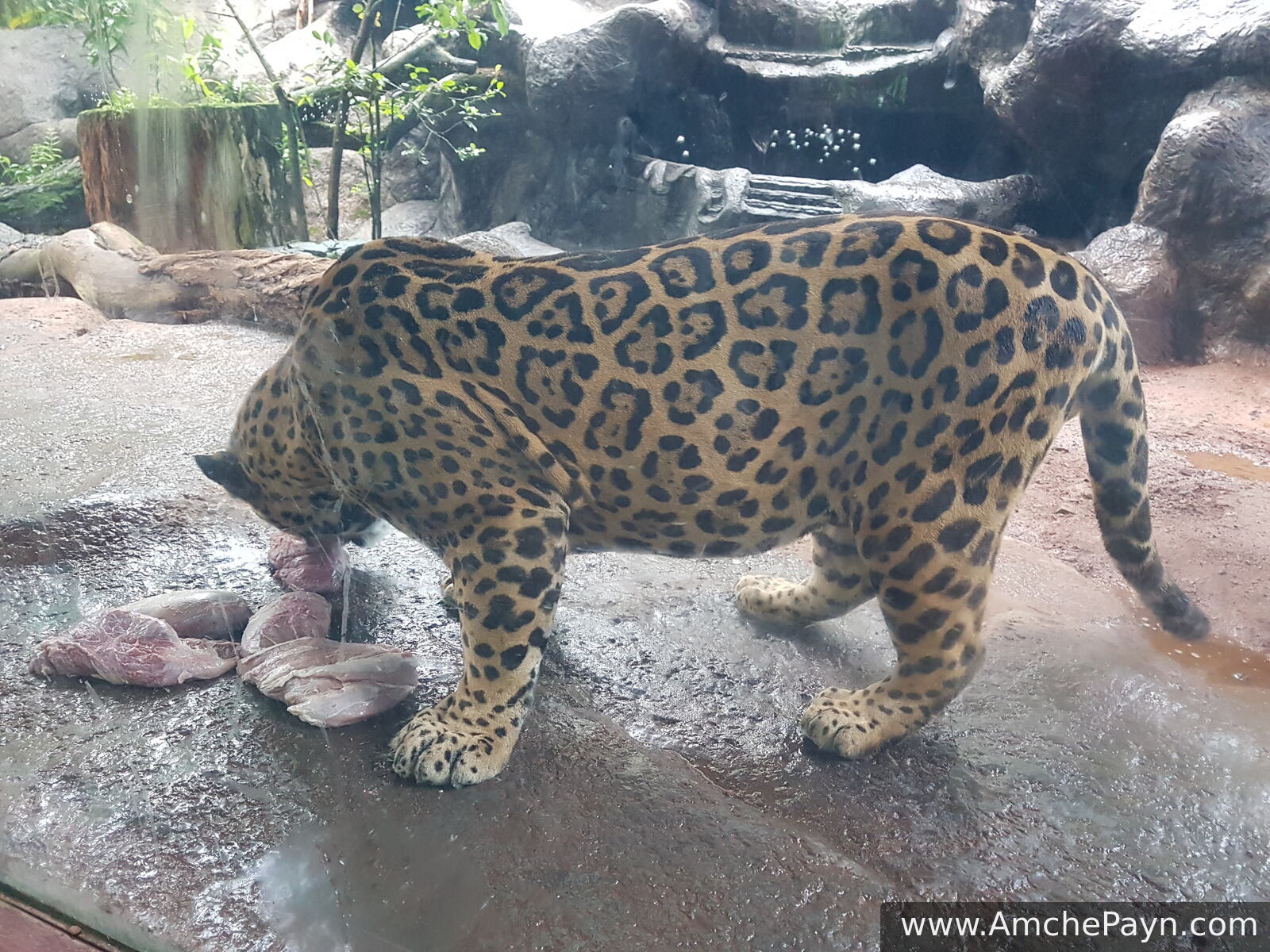 One of the jaguars, far too busy with lunch to pose
Getting there
La Paz is an easy day trip by car or tour from San José, Alajuela or the Poás area, along Route 126. The mountain roads are scenic but can be foggy, wet and winding, so take it slow. Up here it can be cool and rainy even when San José is sunny.
On the same road, just below the park, there’s a roadside stop at the La Paz waterfall itself. The road was damaged by landslides in the 6.1-magnitude earthquake of 8 January 2009 and has since been repaired.
 The roadside La Paz Waterfall in October 2017, running brown after the rain. Compare it with the clear April 2018 view at the top
Good to know
Rates below are the park’s published rates, valid until 15 December 2026, plus taxes. Check the official site before you go.
- Hours: 8:00 a.m. to 5:00 p.m., every day of the year. Try to enter by 3:00 p.m. to see everything. No reservation needed.
- Entry (tourists): adults US$56, children 3–12 US$40.
- Entry (locals and residents): adults US$35, children US$26.
- Buffet lunch: adults US$16, children US$10, at the Colibríes restaurant.
- Contact: park office (506) 2482-2720.
- Bring a rain jacket and shoes with good grip; the paths and stairs get wet.
We paid US$56 each to get in and spent about three and a half hours in the park, from lunchtime until late afternoon. We skipped the buffet.
Final thoughts
Totally worth it, especially the butterfly garden. Our tip on timing: if you want gushing, thundering falls, go during the rains. If you want clear colours, go a few days after the rains have settled. We’ve seen it both ways, milky-coffee brown in October and clear white in April 😊
Sources: La Paz Waterfall Gardens, official site · The five waterfalls · La Paz Waterfall, Wikipedia


